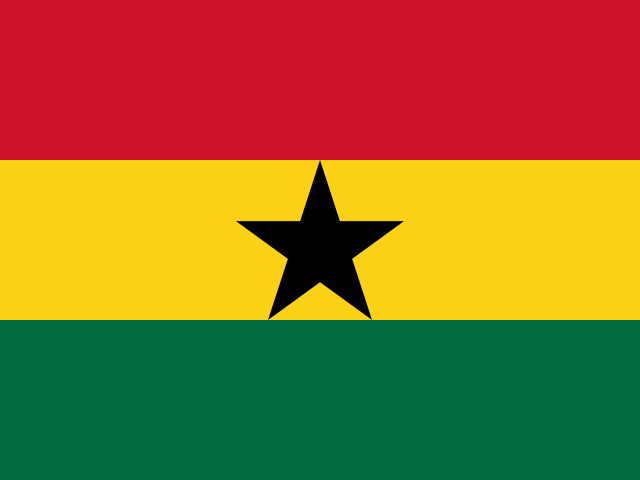
Ghana (formerly the Gold Coast) is Africa's largest gold producer and one of the world's top 10. Major mines are operated by Gold Fields, AngloGold Ashanti, and Newmont. The government's GoldBod program purchases domestic gold to build Bank of Ghana reserves and reduce forex pressure. Ghanaian gold is a key national export earner representing over 40% of export revenues.
Gold Price in Ghana Today (GHS) — Live 24K Rates Per Gram in Cedis
Check live gold prices in Ghana in Ghana Cedis (GHS) today. Our tables reflect 24K, 22K and 18K rates per gram and ounce from international COMEX benchmarks, converted via the real-time USD/GHS exchange rate.
Ghana — the historic "Gold Coast" — is Africa's leading gold producer, contributing over 40% of national export earnings. Major mines in the Ashanti and Western regions produce over 120 tonnes per year, operated by global majors like Gold Fields (Tarkwa mine), AngloGold Ashanti, and Newmont (Ahafo mine).
For Ghanaian investors and jewelers, cedi depreciation against the USD has historically driven local gold prices higher in cedi terms. The government's GoldBod initiative purchases artisanal gold in local currency, providing a transparent benchmark for the domestic market. Compare live cedi-denominated gold rates here before approaching local dealers.
Ghana Gold Expo / PMMC — Ghana is Africa's top gold producer; local jewellery demand follows spot in GHS.
GoldPriceTracer rates are indicative benchmarks for research and negotiation. See our data sources and editorial policy for methodology. Last updated: .
FAQ — Ghana
Is Ghana the largest gold producer in Africa?
Yes. Ghana overtook South Africa as Africa's largest gold producer in 2019 and maintains that position. Annual production is approximately 120–130 tonnes from large-scale mines supplemented by significant artisanal and small-scale mining (ASM) output.
What is the GoldBod program?
The Ghana Gold Board (GoldBod) is a government body that purchases artisanal and small-scale gold directly in Ghana cedis, reducing reliance on USD for domestic gold transactions and helping to build Bank of Ghana foreign reserves.
What is the 22K gold price in Ghana today?
Today's 22K gold price in Ghana is shown live in the table above, quoted in GHS per gram, per 10 grams. Rates refresh from international spot multiplied by the USD/GHS exchange rate.
What is the difference between 24K and 22K gold in Ghana?
24K gold is 99.9% pure and used mainly for investment bars and coins. 22K (91.6% pure) is the standard for durable jewellery in Ghana. Retail shops add making charges on top of the metal rate for both.
How often is the gold price in Ghana updated?
GoldPriceTracer refreshes Ghana rates every 15 minutes from international spot feeds and live exchange rates. For final purchases, always confirm the rate with your local jeweller or bullion dealer.
What currency is gold priced in for Ghana?
Gold in Ghana is displayed in GHS (GH₵). The underlying benchmark is the global USD spot price, converted at the current USD/GHS rate shown on this page.